










Prolink networking explained


Prolink networking explained for Egyptian businesses. Learn Prolink cabling systems, structured cabling types, pricing insights, and how to choose an authorized Prolink distributor in Egypt for reliable enterprise networks.
What Is Prolink? (And Why Egyptian Businesses Choose It)
When business owners and IT managers ask what is Prolink, the answer goes beyond cables and connectors.
Prolink is a global networking brand specializing in
professional network cabling systems designed for enterprise reliability, standards compliance, and long-term scalability.
In the Egyptian B2B market, Prolink is commonly deployed in:
- Corporate offices and HQs
- Data rooms and mini data centers
- Healthcare, retail chains, and industrial facilities
Its strength lies in consistency: certified performance, predictable quality,
and compatibility with structured cabling best practices.
Prolink Cabling Systems Overview
A proper Prolink cabling systems overview starts with understanding how structured networks are built,
not just which cable is cheaper per meter.
Structured Cabling Systems Explained (In Practice)
Structured cabling is a standards-based architecture that supports data, voice,
security, and Wi-Fi on a unified physical layer.
With Prolink, this typically includes:
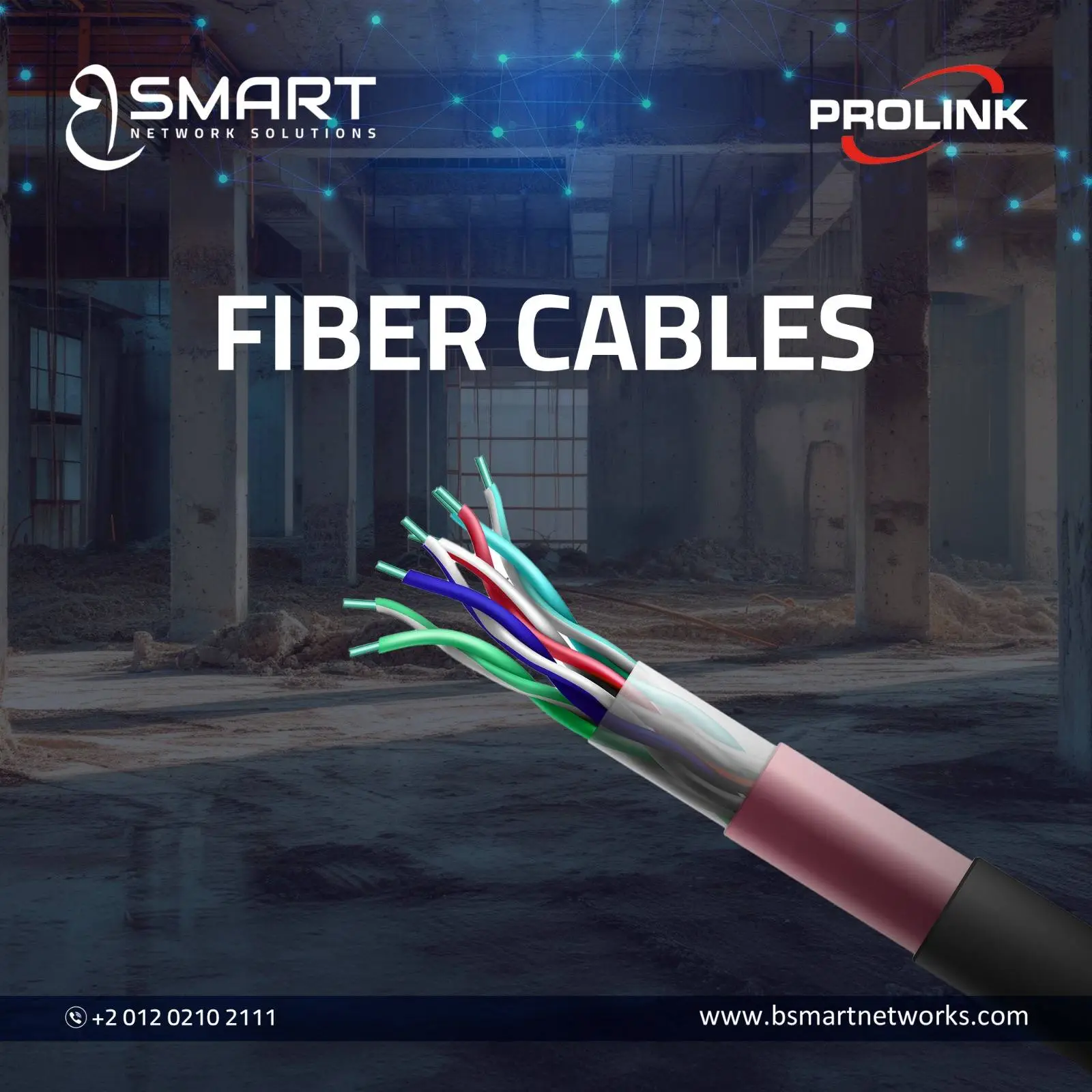
- Copper cables (Cat6 / Cat6A)
- Patch panels and keystones
- Faceplates, trunks, and cable management
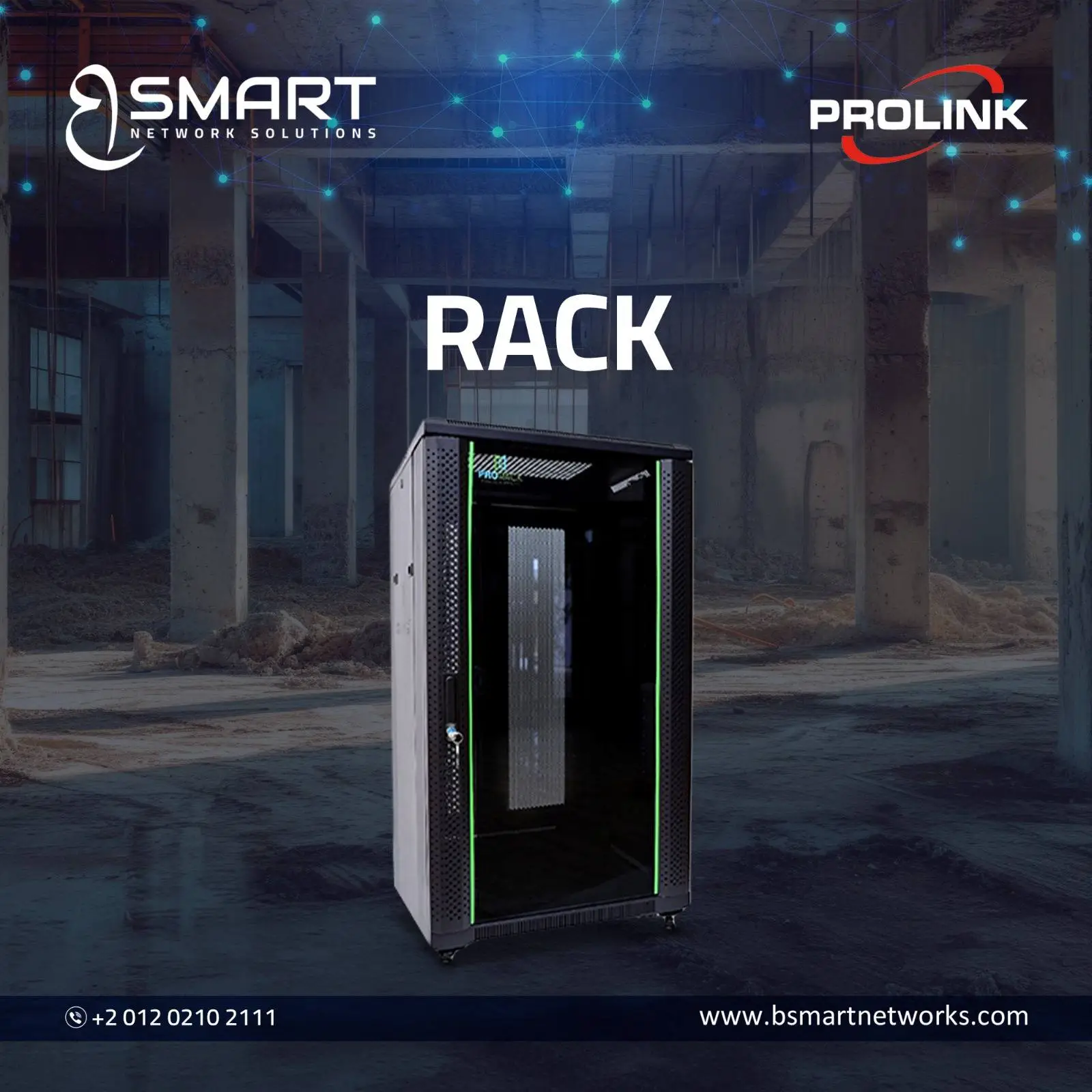
- Racks and accessories (when integrated as a full solution)
This approach reduces troubleshooting time, supports future upgrades,
and aligns with international TIA/ISO standards.
Network Cabling Types Used in Prolink Deployments
Understanding network cabling types is critical for correct specification:
- Cat6: Suitable for most SMBs up to 1 Gbps
- Cat6A: Preferred for enterprise environments, higher EMI resistance
- Shielded vs Unshielded: Shielded options are valuable in Egypt’s electrically noisy environments
- LSZH Jackets: Often required in corporate and healthcare projects for fire safety
Choosing the wrong type increases heat, signal loss, and long-term maintenance costs.
Why Local Authorized Supply Matters in Egypt
Many procurement teams underestimate the importance of sourcing from a
structured cabling supplier Egypt trusts.
Buying through a Prolink distributor Egypt ensures:
- Genuine products (not parallel imports)
- Valid manufacturer warranty
- Faster replacement cycles
- Compliance documentation for tenders and audits
This is especially critical when planning to
buy Prolink network cables for large-scale or multi-site projects.
Expert Insight: Cooling, Cost, and Long-Term ROI
“In Egypt’s climate, investing in quality cabling and well-ventilated racks reduces thermal stress
on switches and servers. Over 5–7 years, this alone can cut cooling-related failures
and energy costs by a significant margin.”
— Senior Network Infrastructure Consultant, Bsmart
This is why experienced system integrators focus on
total cost of ownership, not unit price.
Prolink vs Other Cabling Brands: A Practical View
In real-world deployments, Prolink vs other cabling brands often comes down to:
- Consistency across batches
- Ease of termination
- Certification traceability
- Local technical support
Prolink is not positioned as the cheapest option—but it consistently ranks among the
best structured cabling brand choices for enterprises that value stability and audit readiness.
Where to Buy Prolink Networking Products in Egypt
For organizations seeking Prolink networking products for sale with engineering support,
Bsmart Networks operates as a Prolink official distributor,
combining product supply with design, consultation, and post-installation support.
With 15+ years in Egypt’s enterprise networking market,
Bsmart helps clients align Prolink products with real operational needs—not generic bill-of-materials lists.
Final Takeaway
Prolink networking is not just about cables—it’s about building a
future-proof physical layer that performs reliably under Egypt’s environmental
and operational conditions. When sourced through the right distributor and designed correctly,
it becomes a long-term infrastructure asset, not a recurring problem.