


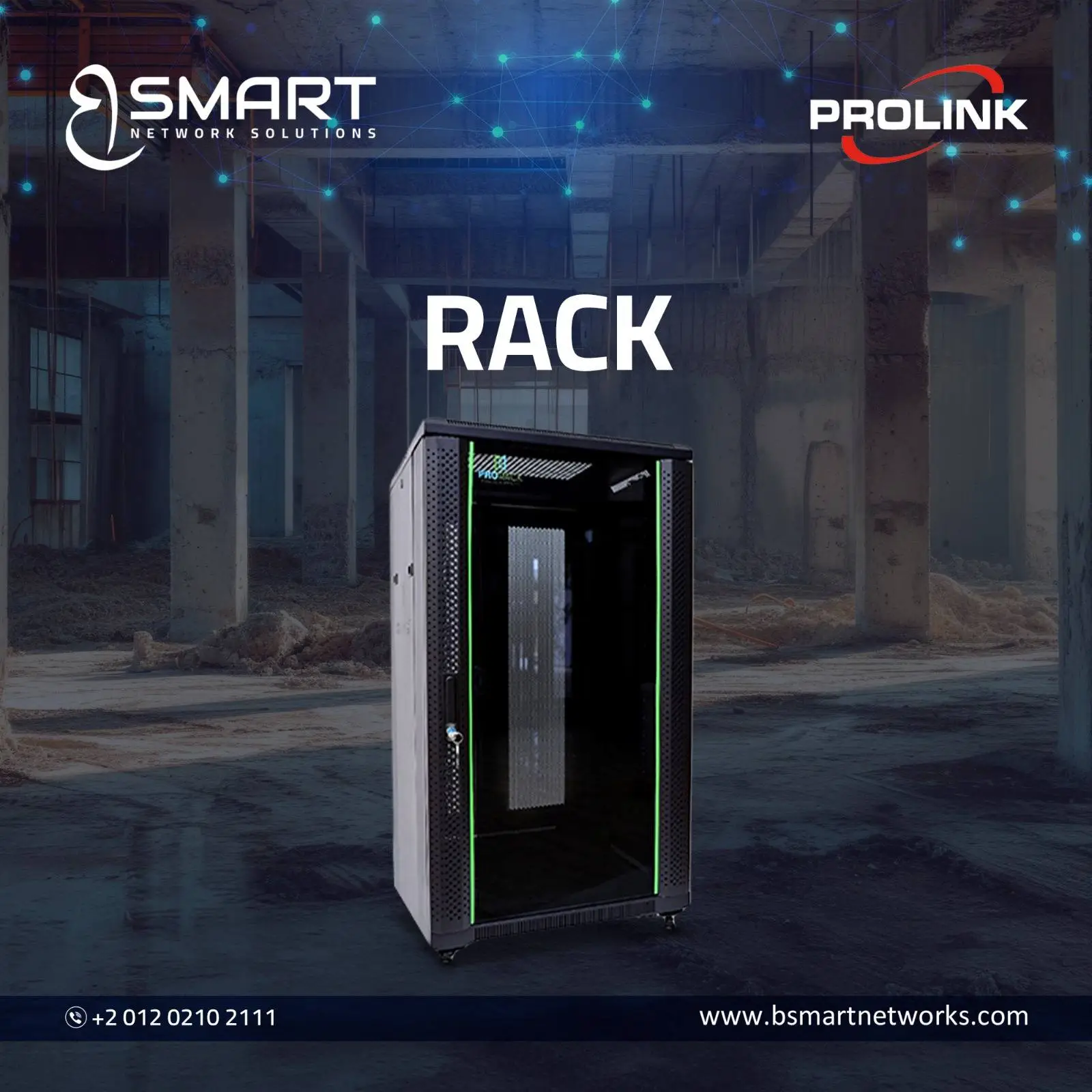









Wall Mounted vs Standing Racks : Which ProRack Solution Fits Your Network?

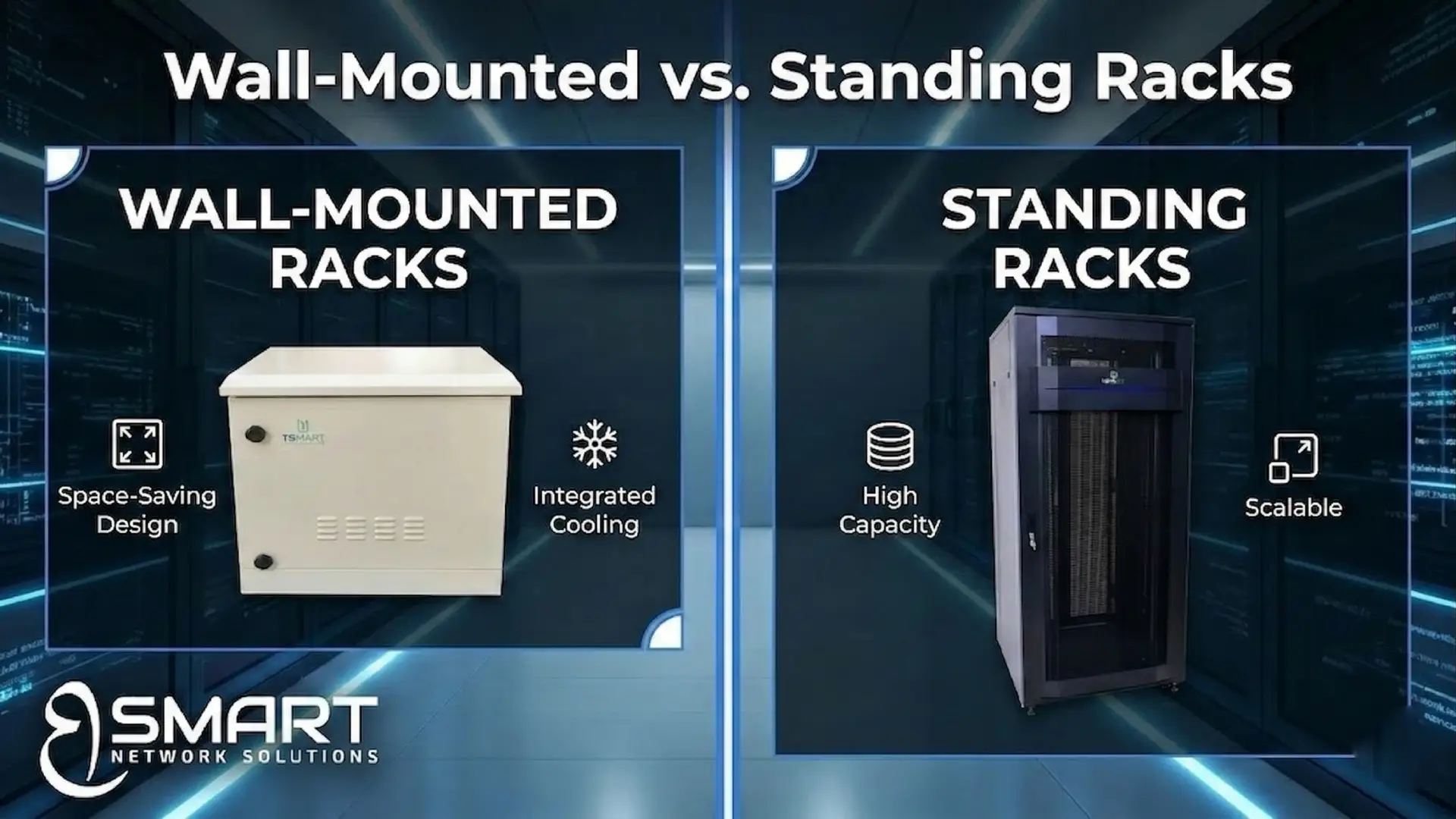
Choosing the right network cabinet is a critical step when designing or upgrading IT infrastructure. Many businesses evaluating Wall Mounted vs Standing Racks : Which ProRack Solution Fits Your Network? are trying to balance space, cooling, equipment capacity, and long-term scalability. For companies in Egypt—where server rooms often face heat, dust, and power fluctuations—the choice of rack type can directly affect equipment lifespan and maintenance costs. This guide explains the difference between wall mount and standing rack, when each option makes sense, and how to choose the right ProRack cabinet for your network environment.
What Is a Wall Mount Network Rack?
A wall mount network rack is a compact cabinet designed to be mounted directly onto a wall. It is commonly used for small networking setups where space is limited and the equipment load is relatively light. These racks are popular in:
- Small offices
- Retail branches
- CCTV and security systems
- Telecom distribution points
- Small server closets
Because they do not occupy floor space, wall-mounted racks are often the best solution for businesses that need basic infrastructure without dedicating a full server room.
Key Characteristics of Wall-Mounted Racks
Typical wall-mounted rack cabinets include:
- Size range: 6U to 15U
- Depth: usually 450–600 mm
- Load capacity: lower than floor racks
- Front glass or metal doors for visibility and security
- Integrated cable entry points
When to Use a Wall Mount Rack
A wall-mounted cabinet is usually the right choice when:
- The network includes switches, patch panels, and routers only
- There are no heavy servers or storage units
- Space is limited
- The network is distributed across multiple branches
For many small businesses, the best wall mount network rack is one that provides secure cable management and ventilation without requiring a dedicated server room.
What Is a Standing Network Rack?
A standing network rack (also called a floor-standing rack) is a full-height cabinet designed to hold heavier equipment such as servers, storage systems, and UPS units. These racks are typically installed in:
- Server rooms
- Data centers
- Enterprise IT environments
- Large corporate networks
They are built to support heavier loads and provide better airflow and cable organization.
Key Characteristics of Standing Racks
Standing cabinets offer:
- Size range: 18U to 42U or higher
- Depth: 800–1000 mm or more
- High load capacity for servers and storage equipment
- Advanced cable management systems
- Improved airflow and cooling design
For organizations running application servers, virtualization systems, or large storage arrays, the best standing network rack provides the stability and space required for long-term infrastructure growth.
Difference Between Wall Mount and Standing Rack
Understanding the difference between wall mount and standing rack helps businesses choose the right infrastructure from the start.
| Feature | Wall-Mounted Rack | Standing Rack |
|---|---|---|
| Installation | Mounted on wall | Installed on floor |
| Capacity | Low equipment capacity | High equipment capacity |
| Typical Height | 6U – 15U | 18U – 42U+ |
| Equipment Type | Switches, routers, patch panels | Servers, storage, UPS |
| Cooling | Limited airflow | Better ventilation and airflow |
| Expansion | Limited scalability | Highly scalable |
Quick Decision Guide
Choose a wall-mounted rack if:
- You run a small network
- Equipment weight is low
- You need to save space
- The installation is in a branch office
Choose a standing rack if:
- Your infrastructure includes servers
- You expect future expansion
- Cooling and airflow are critical
- You operate a dedicated server room
Key Buying Factors for Network Racks in Egypt
Selecting a rack is not only about size. In the Egyptian market, several practical factors should influence the decision.
1. Cooling and Heat Management
High ambient temperatures in Egypt mean that airflow inside the cabinet is extremely important. Look for racks that provide:
- Ventilated doors
- Fan tray support
- Proper spacing between devices
Poor airflow can increase server temperatures and shorten equipment lifespan.
2. Dust Protection
Dust is one of the most common issues in local server rooms. A good rack cabinet should include:
- Sealed cable entry points
- Filtered ventilation
- Solid side panels
These features help protect sensitive networking hardware.
3. Equipment Depth Compatibility
Many businesses purchase racks that are too shallow for modern servers. Always check:
- Server depth
- Cable clearance
- PDU installation space
This is especially important when installing storage arrays or blade servers.
4. Cable Management
Messy cabling can lead to overheating and maintenance problems. Choose racks that support:
- Vertical cable managers
- Horizontal cable organizers
- Proper rear access
Clean cable management improves airflow and simplifies troubleshooting.
5. Local Support and Warranty
One challenge in the Egyptian hardware market is import availability. Many low-cost racks sold online lack:
- spare parts
- local warranty
- technical support
Buying from a network rack cabinet supplier in Egypt ensures faster support, replacement parts, and installation guidance.
“Many companies focus only on server performance, but ignore the rack environment. A well-designed rack with proper airflow can reduce cooling costs and prevent hardware failures over time. Investing in a quality cabinet often saves far more money than it costs.” — Internal Networking Infrastructure Expert
Choosing the Right ProRack Cabinet for Your Business
When evaluating Wall Mounted vs Standing Racks : Which ProRack Solution Fits Your Network?, it helps to match the rack type with the network size and future expansion plans.
Wall-Mounted ProRack Cabinets
Best suited for:
- Retail chains
- Small offices
- CCTV control rooms
- Branch networking closets
Typical features include:
- Compact design
- Tempered glass door
- Easy wall installation
- Secure locking system
These cabinets provide a reliable solution when equipment is limited to networking devices.
Standing ProRack Cabinets
Recommended for:
- Server rooms
- Data center environments
- Enterprise IT infrastructure
- High-density equipment setups
Advantages include:
- Higher load capacity
- Better airflow
- Scalable infrastructure space
- Professional cable organization
For businesses planning infrastructure growth, standing cabinets are often the more future-proof option.
Why Many Egyptian Businesses Choose Local Suppliers
Network infrastructure projects often involve more than just hardware. Working with a trusted supplier provides several advantages:
- Product authenticity and warranty
- Technical consultation before purchase
- Faster installation and delivery
- Access to spare parts and accessories
Companies with long experience in networking infrastructure can also help ensure the rack size, cooling design, and cable management match the project requirements. Bsmart Networks, for example, has over 15 years of experience in enterprise networking and data infrastructure, helping organizations deploy reliable rack solutions across multiple industries.
ProRack Network Rack Pricing Considerations
When comparing options like ProRack rack cabinet for sale, buyers often ask about cost. Several factors affect the ProRack network rack price:
- Rack height (U size)
- Depth and build quality
- Cooling accessories
- Cable management systems
- Locking and security features
In Egypt, the server rack cabinet price Egypt can vary widely depending on import origin and build quality. Investing in a well-constructed rack often reduces maintenance issues later. Read: indoor racks vs outdoor racks.
Final Recommendation
Choosing between wall-mounted and standing racks should always be based on equipment load, cooling requirements, and future expansion. Small networks with limited hardware often benefit from compact wall cabinets. Larger infrastructures with servers and storage systems require the stability and scalability of floor-standing racks. If you are evaluating Wall Mounted vs Standing Racks : Which ProRack Solution Fits Your Network?, start by auditing your equipment list, growth plans, and server room environment. Then work with a trusted network rack cabinet supplier Egypt that can help match the correct cabinet size, airflow configuration, and installation requirements for your infrastructure. The right rack is more than a cabinet—it is the foundation that keeps your network stable, organized, and ready to scale.