


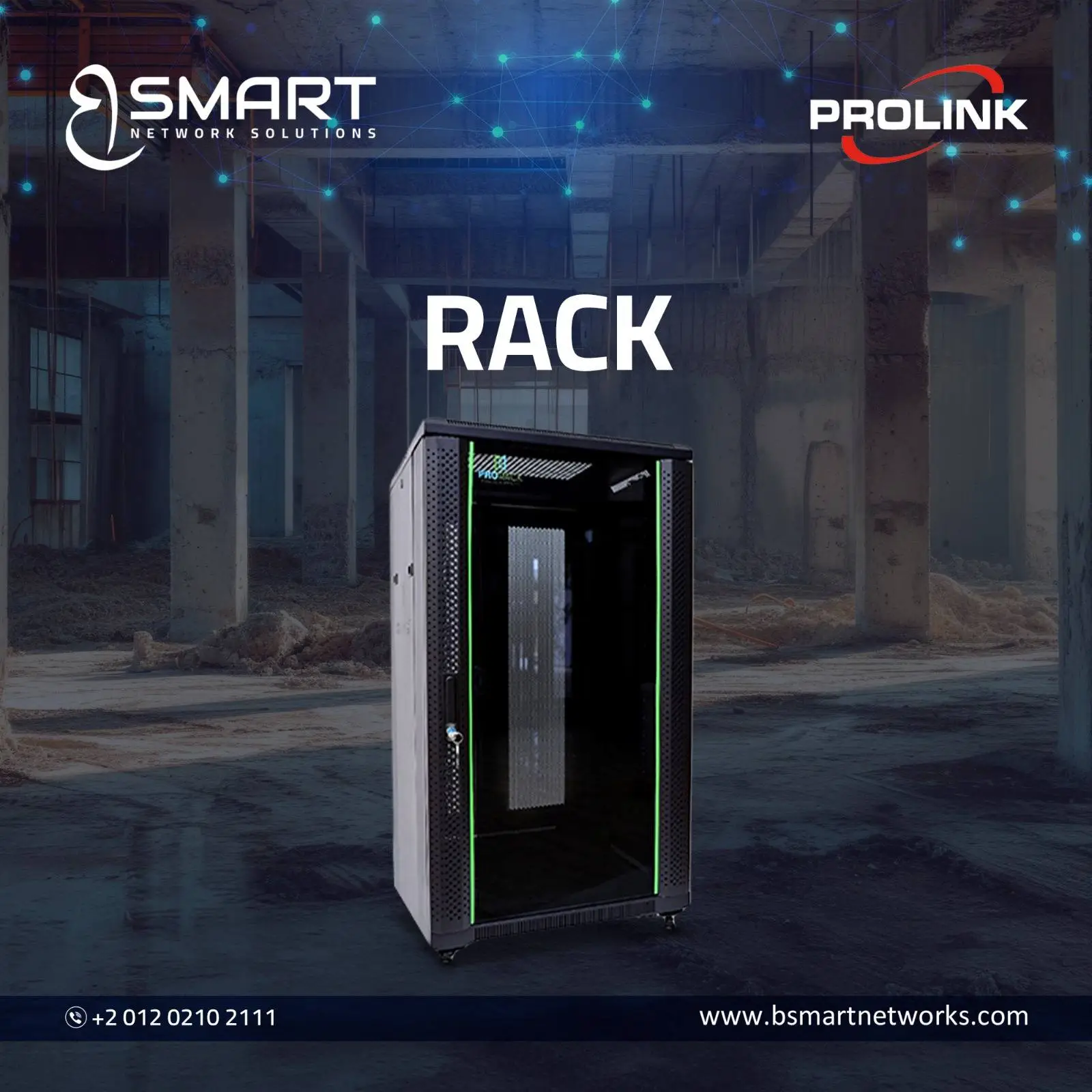









ProRack Network Racks: The Complete Buyer’s Guide


Reliable network infrastructure starts with the right foundation. Your switches, servers, and security systems only perform as well as the environment housing them. That’s why choosing a ProRack network rack is a critical decision for businesses that prioritize stability and growth.
We built this guide on real-world experience and technical expertise to give you clear, actionable insights. Whether you are setting up CCTV, an office network, or a server room, this guide helps you choose with total confidence
Why ProRack Network Rack Is a Smart Investment
A ProRack network rack is not just a metal cabinet. It is an engineered solution designed to support modern IT environments where uptime, airflow, and organization matter.
ProRack racks are commonly used in:
- Corporate offices
- Commercial buildings
- CCTV and security projects
- Server rooms and data centers
What makes ProRack stand out is its focus on durability and practical design. Many IT teams in ProRack Egypt projects rely on these racks because they are built as enterprise grade network rack solutions, not consumer-level cabinets.
Key advantages include:
- Strong steel construction suitable for continuous operation
- Standard 19-inch mounting for compatibility with all network equipment
- Flexible depth and height options
- Support for cooling, cable management, and power accessories
When integrated as part of complete deployments by experienced teams like Bsmart Networks, ProRack becomes part of a full infrastructure solution rather than a standalone product.
18U vs 24U Network Rack: Understanding the Difference
One of the first decisions you’ll face is choosing between 18U and 24U network racks. While the difference may seem small, it has a big impact on usability and future growth.
18U Network Rack
An 18U rack is well-suited for:
- Small to medium office networks
- CCTV systems with limited equipment
- Environments with clear, fixed requirements
Typical equipment inside an 18U rack:
- Network switches
- Patch panels
- Firewalls
- NVRs and small UPS units
Benefits of 18U racks:
- Compact and space-efficient
- Lower upfront cost
- Easier installation in tight spaces
24U Network Rack
A 24U rack is designed for:
- Growing businesses
- Mixed networking and server environments
- Projects with future expansion in mind
Benefits of 24U racks:
- Extra space for future devices
- Better cable organization
- Improved airflow between devices
- Reduced need for early upgrades
Professional tip:
If your network is expected to grow within the next two to three years, starting with a 24U rack often saves money and downtime later.
Standing vs Wall Mount Network Rack
Choosing between a standing rack and a wall mount rack depends mainly on load, space, and maintenance needs.
Standing Network Rack
Standing racks are commonly used in:
- Server rooms
- Data centers
- Enterprise IT environments
They are often recommended by any experienced ProRack standing rack supplier because they offer:
- Higher load capacity
- Better cooling options
- Easy front and rear access
- Support for servers, large UPS units, and PDUs
Standing racks are ideal when reliability and accessibility are top priorities.
Wall Mount Network Rack
Wall mount racks are best for:
- Small offices
- Branch locations
- CCTV and access control systems
Their main advantages include:
- Saving floor space
- Faster installation
- Lower overall cost
However, wall mount racks are not suitable for heavy equipment or environments that require frequent maintenance access.
Simple rule:
Servers and large UPS systems belong in standing racks. Lightweight networking setups can work perfectly in wall mount racks.
How to Choose the Right Network Rack Size
Choosing the correct rack size is not just about counting devices. It’s about planning for performance and future needs.
Step-by-step sizing approach:
- List all current equipment and their rack unit (U) size
- Add space for cable management and airflow
- Reserve at least 30% extra capacity for future expansion
- Consider depth, not just height
Example calculation:
- Core switch: 1U
- Patch panel: 1U
- Firewall: 1U
- NVR: 2U
- UPS: 3U
Total: 8U
Recommended rack: 18U (for airflow and growth)
This planning method is widely used in tested network rack cabinet installations to avoid overcrowding and overheating issues.
Network Rack Ventilation Best Practices
Ventilation is one of the most overlooked aspects of network rack selection. Poor airflow can shorten equipment lifespan and cause unexpected downtime.
Best practices for rack ventilation:
- Choose racks with top and bottom ventilation panels
- Install fan units where heat buildup is expected
- Keep cable paths clean and organized
- Avoid blocking airflow with unused equipment
- Use blanking panels to guide airflow properly
A high-quality ISO certified rack cabinet like ProRack is designed with airflow management in mind, making it suitable for 24/7 operational environments.
Network Rack for CCTV and Servers

Network Racks for CCTV Systems
CCTV systems run continuously, which means stability and heat management are critical.
Typical CCTV rack components:
- NVR or DVR
- PoE switches
- Patch panels
- UPS
ProRack cabinets provide:
- Secure locking doors
- Organized cabling
- Reliable airflow for nonstop operation
They are commonly used in commercial buildings, factories, and residential compounds.
Network Racks for Servers
Server installations place much higher demands on rack infrastructure.
Server racks must support:
- Heavy loads
- Continuous cooling
- Power distribution units
- Easy maintenance access
In these environments, using an enterprise grade network rack is essential. ProRack standing racks are designed to handle these requirements while supporting structured cabling and efficient cooling.
Real-World Infrastructure Perspective
In real projects, network racks are rarely chosen in isolation. They are part of a bigger picture that includes cabling systems, power planning, cooling, and long-term support.
Companies delivering professional IT infrastructure solutions focus on:
- Correct rack sizing from day one
- Compatibility with existing and future equipment
- Reliable vendors and consistent product quality
Teams with 15 years networking experience working on turnkey network projects understand that a well-selected rack reduces failures, simplifies maintenance, and supports business growth.
Why Businesses Trust Bsmart Network Solutions
Many organizations work with Bsmart network solutions because they offer more than just products. Their approach typically includes:
- Technical consultation before purchase
- Proper rack selection based on real needs
- Integration with complete network designs
- Long-term support and maintenance
This ensures that ProRack installations are not only correct on paper, but effective in real-world operation.
Read: server rack cabinet price Egypt
Final Thoughts
A ProRack network rack is a long-term investment in the stability and performance of your IT environment. Whether you are building a CCTV system, upgrading office networking, or deploying servers, choosing the right rack cabinet plays a critical role in success.
By understanding rack sizes, mounting types, ventilation best practices, and real-world use cases, you can make informed decisions that support your business today and in the future.
If you approach rack selection as part of a complete infrastructure strategy—not just a purchase—you’ll avoid common mistakes and build a network that performs reliably for years to come.